Skip to Main Content
Advanced Neurology & Neurosurgery

Stroke & Paralysis

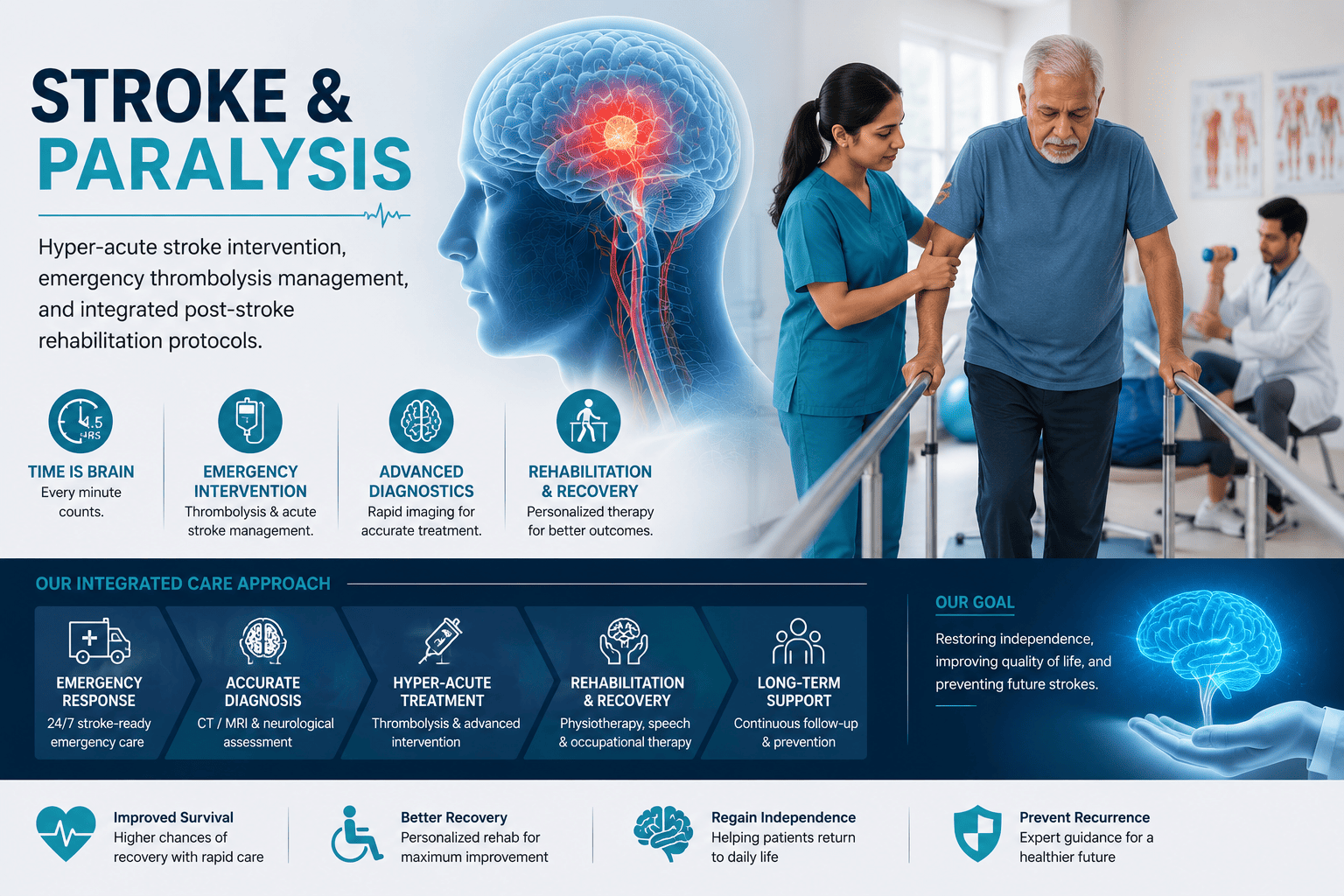
Hyper-acute stroke intervention, emergency thrombolysis management, and integrated post-stroke rehabilitation protocols.

90% stroke recovery support
1000+ stroke patients managed
24/7 emergency stroke care
Medical Overview

What Are Stroke & Paralysis?

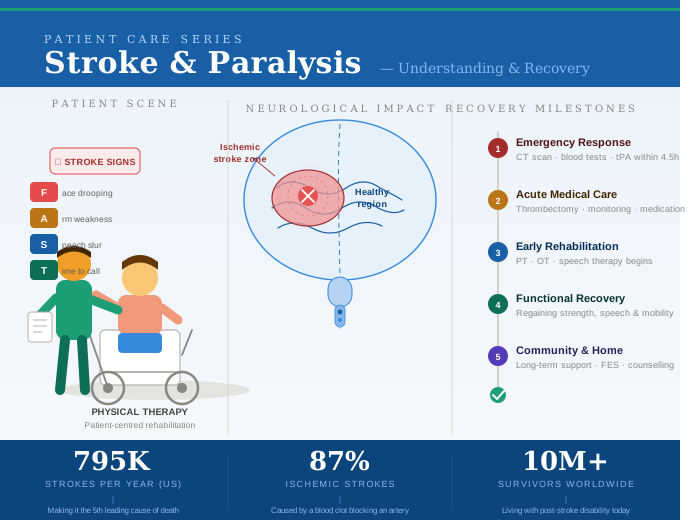
Stroke occurs when blood supply to the brain is interrupted or reduced, causing brain cell damage. Paralysis may occur when stroke affects movement-controlling areas of the brain. Immediate treatment and rehabilitation are critical for reducing neurological complications.
Rapid stroke intervention and structured rehabilitation significantly improve survival and long-term neurological recovery.
What Are Stroke & Paralysis?
Risk Factors
  • High Blood Pressure Uncontrolled blood pressure significantly increases stroke risk.
  • Diabetes Diabetes damages blood vessels and increases vascular complications.
  • Smoking Smoking damages arteries and reduces blood circulation to the brain.
  • Heart Disease Heart conditions increase the risk of blood clots and stroke.
Understanding the Condition

Causes of Stroke & Paralysis

Understanding the major vascular and neurological risk factors

Stroke may occur due to blocked brain arteries, bleeding inside the brain, high blood pressure, diabetes, heart disease, smoking, obesity, or vascular disorders. Delayed treatment increases the risk of permanent neurological damage and paralysis.
Signs to Watch For

Symptoms of Stroke & Paralysis

Early recognition of stroke symptoms is essential for emergency treatment and better recovery outcomes.

Facial Drooping

Sudden drooping or weakness on one side of the face.

Arm Weakness

Weakness or numbness in the arms or legs affecting body movement.

Speech Difficulty

Difficulty speaking, slurred speech, or inability to understand language.

Balance Problems

Sudden dizziness, imbalance, or difficulty walking.

Vision Disturbance

Blurred vision or sudden loss of vision in one or both eyes.

Severe Headache

Sudden severe headache that may indicate bleeding inside the brain.

Personalised Care Pathways

Treatment Options for Stroke & Paralysis

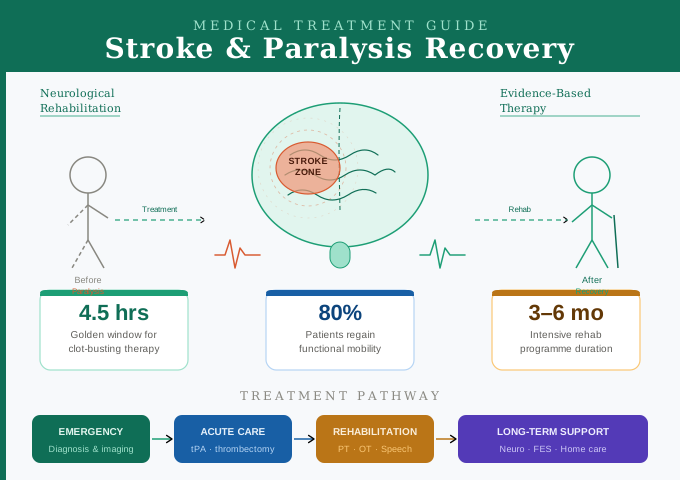
Treatment focuses on restoring blood flow, reducing brain damage, stabilizing neurological function, and improving long-term recovery through rehabilitation.

01
First Step

Neurological Monitoring

Continuous neurological assessment helps monitor stroke progression and recovery.

02
Recovery

Rehabilitation Therapy

Physiotherapy and speech therapy improve movement, speech, and independence.

03
Long-Term Care

Lifestyle Management

Blood pressure control, diet changes, and healthy habits reduce future stroke risk.

01
Emergency

Emergency Thrombolysis

Clot-dissolving medications restore blood flow during acute ischemic stroke.

02
Advanced

Neurocritical Medication

Specialized medications help control brain swelling and neurological complications.

01
Advanced

Mechanical Thrombectomy

Advanced catheter procedures remove blood clots from blocked brain arteries.

02
Critical Care

Brain Hemorrhage Surgery

Emergency neurosurgery controls bleeding and reduces brain pressure.

03
Gold Standard

Decompressive Surgery

Specialized procedures relieve dangerous brain swelling after severe stroke.

Your Healing Journey

Recovery After Stroke & Paralysis

Recovery depends on the severity of stroke, treatment timing, and rehabilitation efforts. Long-term therapy improves mobility, speech, coordination, and daily independence.

Week 1

Emergency Stabilization

Critical neurological care and stroke monitoring begin immediately.

Week 3

Rehabilitation Phase

Physiotherapy and speech therapy improve neurological recovery and movement.

Week 6

Functional Recovery

Patients gradually regain daily functioning and independence with continued therapy.

Common Questions

Frequently Asked Questions

Common signs include facial drooping, arm weakness, speech difficulty, and sudden dizziness.
Many patients improve significantly with early treatment and structured rehabilitation therapy.
Thrombolysis uses clot-dissolving medications to restore blood flow during acute ischemic stroke.
WhatsApp Call